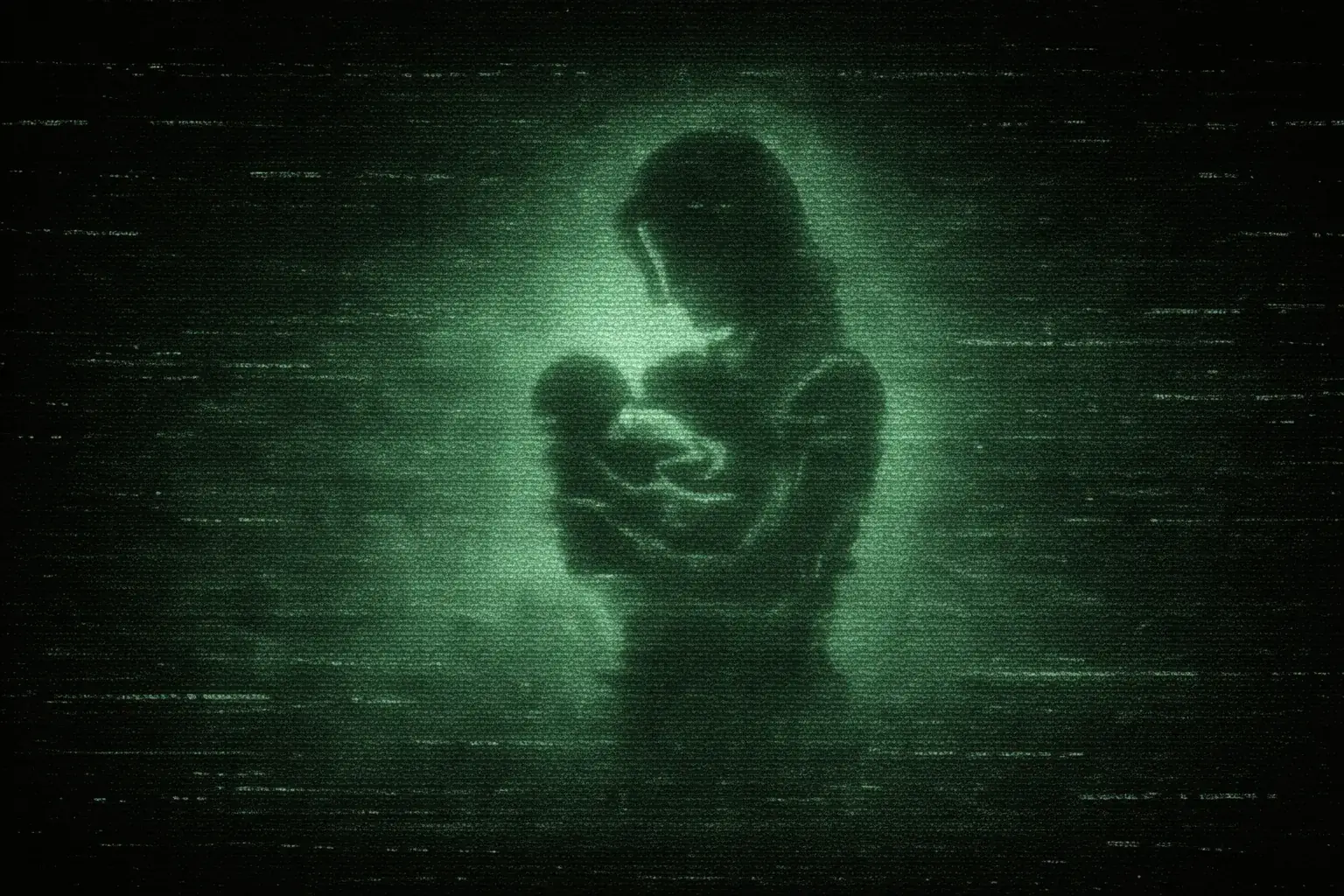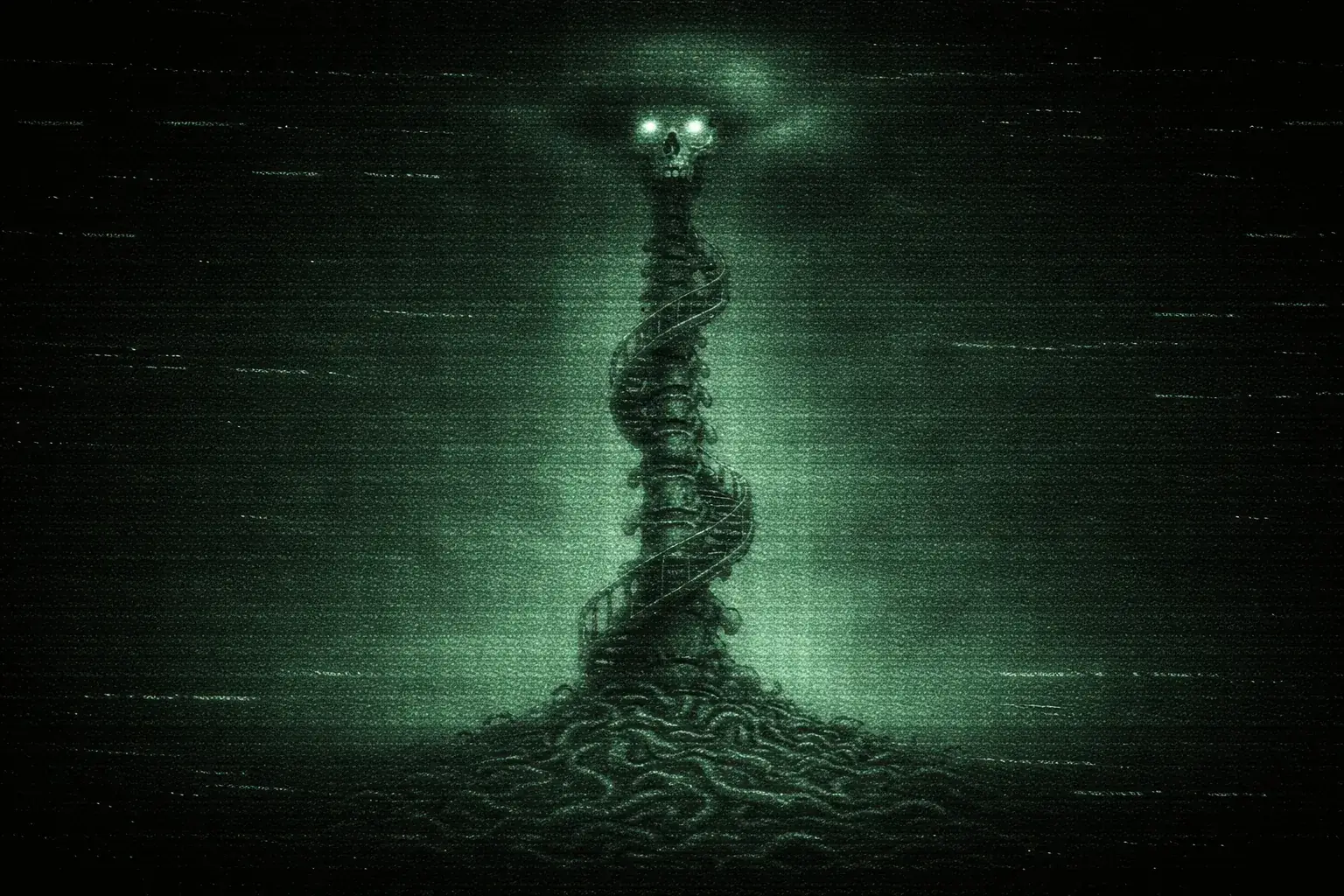
Before you is the first test. Its purpose is to record the initial parameters of interaction and, subsequently, to provide a somewhat higher level of your discomfort within the project we are developing. We additionally reiterate that this test is part of a game currently in development and serves for preliminary calibration of the player’s interaction with its systems.
Please note: participation in the mini-games requires authorization on the platform. At present, authorization via Discord is used. If, for any reason, this method is unacceptable to you, you may contact us — a local authorization option will be added for such cases.
On Tarot, Games, and the Choice of Cards
If later interpretative layers, processes of sacralization, and the characteristic confident tone of those who “know exactly” how the universe is structured are excluded, Tarot appears as an object of a rather prosaic nature. Historically, it derives from Trionfi — a Renaissance-era card game based on a structured deck, a hierarchy of figures, and special cards that modify the course of play. No magic, no prophecy, and no hidden knowledge were originally implied here. Only rules, visual forms, and participant interaction.
The so-called Major Arcana were not “windows into the beyond.” They functioned as cards with increased gameplay weight — mechanics that influenced the dynamics of the process. All subsequent interpretations — allegorical readings, moral constructs, and occult systems — were applied much later, retrospectively attributing ancient wisdom to these images. Symbolic structures, as is well known, possess a high capacity for the accumulation of meaning — especially under conditions of persistent interpretative pressure.
Symbolic systems, however, rarely ask for permission before they begin to function.
Nevertheless, it would be incorrect to speak of Tarot as having been “distorted” or “corrupted.” It simply continued to exist as a cultural object. And living systems inevitably accrue meanings, even when they were initially formed within the context of gameplay.
The effectiveness of Tarot is determined not by any presumed sacrality, but by its structural organization, visual density, and interpretative openness. Regardless of whether it is regarded as a game, a narrative instrument, a psychological mirror, or a ritual object, the principle remains unchanged: meaning emerges in the process of interaction rather than being derived from origin.
Within our project, Tarot is used precisely in this capacity. In the future, the cards will cease to be exclusively symbolic objects. They will be presented as boss entities — hybrid formations assembled from multiple sources, one of which is Tarot. The remaining components at this stage remain deliberately undisclosed.